

Optimizely Content Marketing Platform (CMP) is a marketing planner’s dream. It’s designed specifically for marketers to streamline content creation, enhance collaboration, and seamlessly distribute campaigns across platforms. Optimizely CMP serves as a hub for marketing assets, from blog posts and articles to videos and images. This centralized platform allows marketers to plan, create, edit, and publish content efficiently, while also tracking performance across channels. By providing a single source of truth for content, Optimizely CMP helps teams collaborate more effectively and enhance brand consistency across communications.
Implementing a tool like Optimizely Content Marketing Platform requires careful planning to ensure a successful and efficient rollout. Before diving into the technical aspects of the platform, it is crucial to have a clear understanding of your content strategy and planning workflows, including defining goals, identifying workstreams and approval requirements, conducting a content audit, and creating a content development process. In addition to content planning and workflow definition, you’ll need to review your taxonomy structure and how you want to categorize your content and assets for search, analytics, and collaboration.
Audit Your Content Process
Optimizely CMP facilitates robust content planning by enabling marketers to structure their efforts around campaigns. These campaigns can encompass a wide range of initiatives, from product launches and seasonal promotions to long-term brand awareness campaigns. Within each campaign, users can use a campaign brief to outline objectives, define target audiences, document key messages, and collaborate on desired outcomes. This centralized approach ensures that all content aligns with overarching marketing goals and channels.
Optimizely CMP streamlines content planning by breaking down large campaigns into smaller, manageable tasks. These tasks can be assigned to specific team members with clear deadlines and expectations. For example, tasks might include drafting blog posts, creating social media graphics, scheduling email campaigns, or conducting competitor research. By breaking down campaigns into discrete tasks, Optimizely CMP improves project visibility, accountability, and overall efficiency.
Collaboration is critical for effective content planning, and Optimizely CMP provides a robust suite of features to foster teamwork. The platform allows for real-time communication and feedback through built-in messaging and commenting features. Work requests can be easily submitted and tracked, ensuring that all necessary information and approvals are obtained efficiently. Additionally, Optimizely CMP facilitates content reviews and approvals through a clear and transparent workflow, minimizing delays and ensuring that all content meets the highest quality standards before publication.
Map Your Workflows
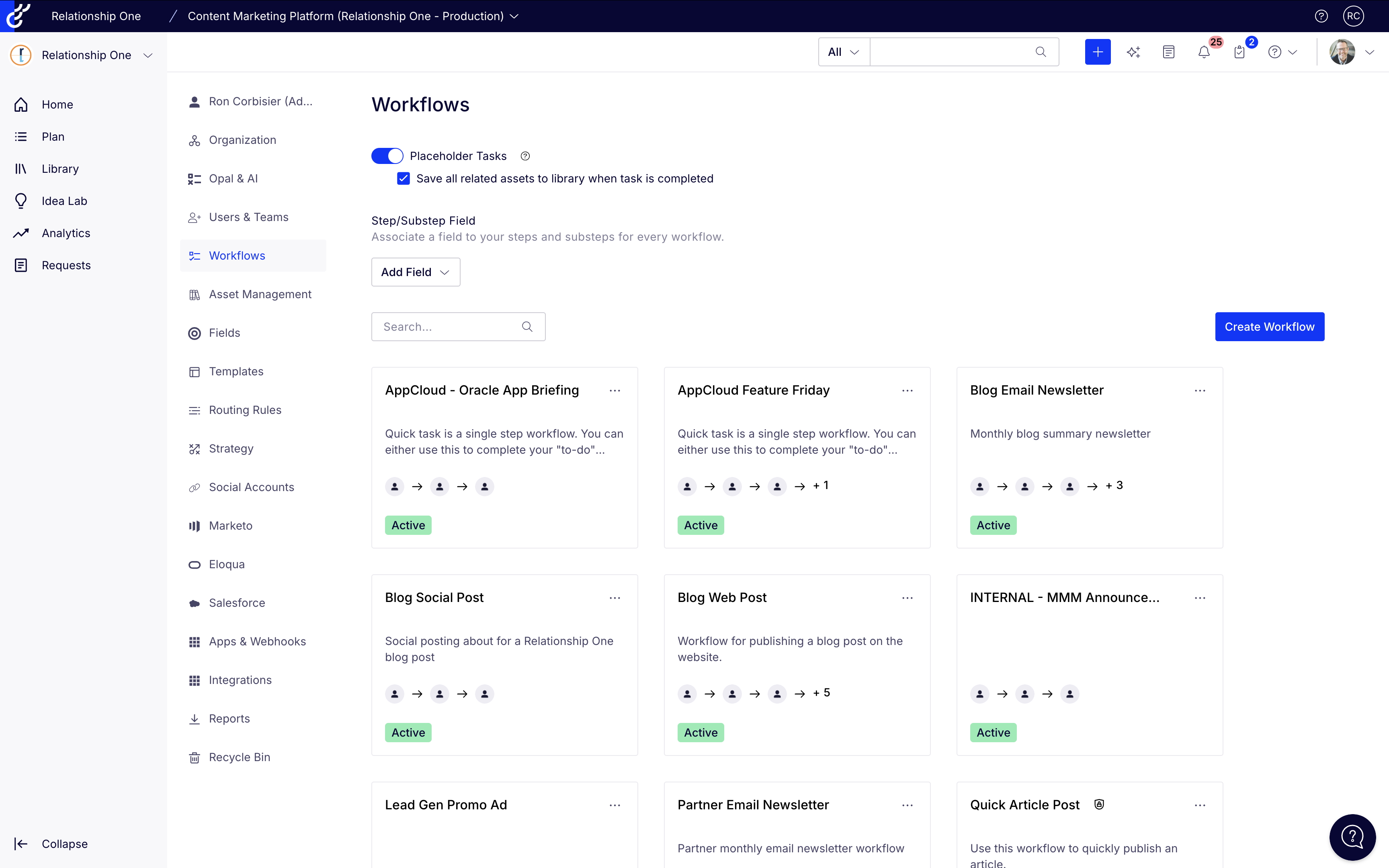
Before implementing Optimizely CMP, it’s imperative to analyze your existing content processes to properly structure campaigns within the platform. Begin by mapping out your current content creation workflow. Identify all the stages involved, and determine the roles and responsibilities of each team member involved in each stage. This analysis will not only highlight bottlenecks and inefficiencies that can be improved, but it will also define the requirements needed for proper campaign configuration in CMP.
Analyze Existing Content
Next, analyze your existing content to identify recurring themes, topics, and formats. Group similar content pieces into logical categories, such as blog posts, social media updates, email newsletters, case studies, and webinars. This categorization will help you identify potential campaign themes and structure your content within Optimizely CMP accordingly. For example, you might create a campaign for a new product launch, a seasonal marketing campaign, or a thought leadership series.
Review Optimizely CMP Feature Options
Finally, consider how you can leverage Optimizely CMP’s features to improve your existing content processes. Analyze how you can use the platform’s workflow automation capabilities to streamline tasks such as approvals, notifications, and content scheduling. Evaluate how the platform’s collaboration features, such as real-time commenting and messaging, can enhance communication and feedback within your team. By carefully analyzing your existing content processes and identifying areas for improvement, you can effectively structure campaigns within Optimizely CMP and maximize its benefits.
Define Your Workflows
Optimizely CMP boasts robust workflow capabilities that streamline content creation and ensure collaboration and proper approval processes when required. CMP even allows marketers to create custom workflows tailored to their specific needs and processes. These workflows can include various stages, such as ideation, writing, editing, approval, and publishing. Work requests can also be created and submitted to kickstart these workflows, providing a central hub for all necessary information. For example, at Relationship One, we use work requests to submit blog ideas, AppCloud product marketing and announcement requests, and to route general marketing support requests.
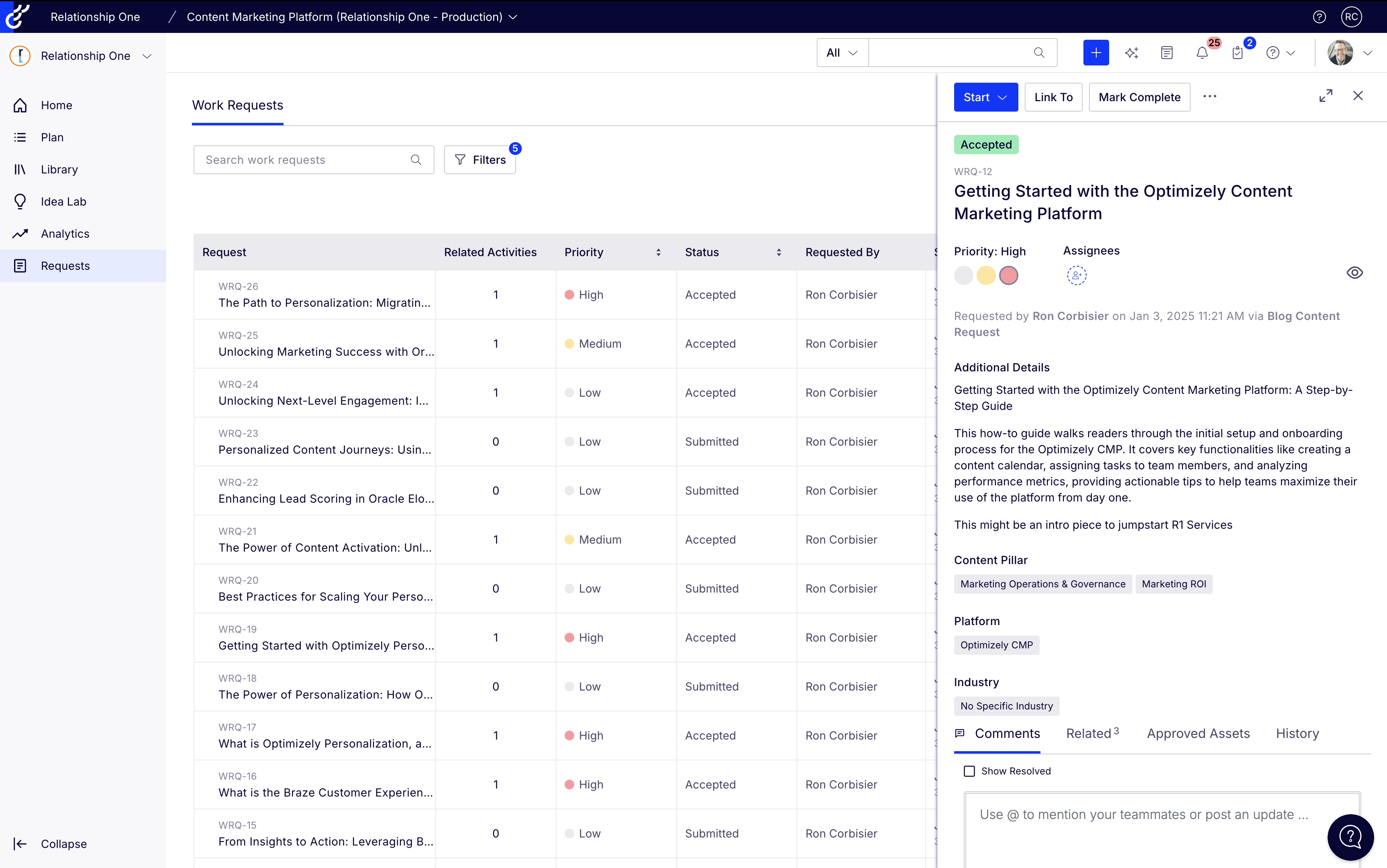
Optimizely CMP enables the creation of custom forms for data collection at different stages of the workflow. This ensures that all necessary information is captured and easily accessible throughout the workflow. Task creation is seamlessly integrated within workflows, allowing for the assignment of specific tasks to individual team members with clear deadlines and expectations.
Optimizely CMP supports template-based workflows, enabling teams to quickly create and replicate recurring tasks. This significantly reduces manual effort and ensures consistency across different projects. For instance, a template can be created for the standard blog post workflow, which can be replicated for all future blog projects. This streamlined approach not only saves time and effort, but also minimizes the risk of errors and ensures content meets quality standards and brand guidelines.
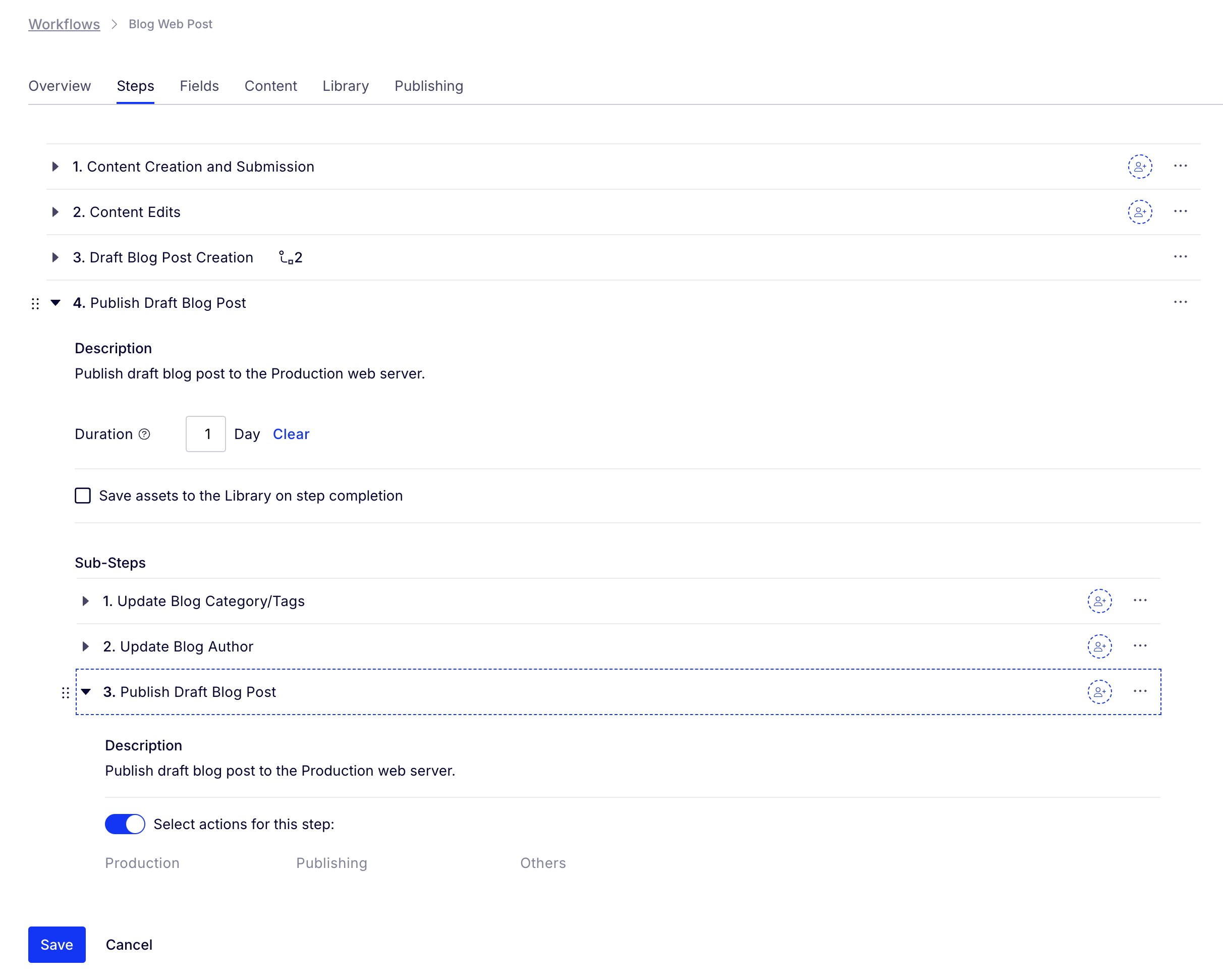
As you begin to plan for your CMP implementation, you will need to audit and refine your existing content and campaign workflows. This involves a thorough examination of every step in the process, from initial ideation to final publication and distribution.
Start by mapping out your current workflows, including all the stages involved, such as:
- Ideation & Planning: Brainstorming, research, content briefs, target audience definition, campaign goals.
- Creation: Writing, design, video production, asset gathering.
- Review & Approval: Editing, legal review, brand review, stakeholder approvals.
- Publishing & Distribution: Scheduling, publishing to website, social media posting, email campaigns.
- Analysis & Optimization: Tracking key metrics, performance analysis, content repurposing.
Involve all key stakeholders in this audit, including content writers, editors, designers, marketers, legal teams, and any other relevant departments. This ensures everyone understands the current process, identifies potential bottlenecks, and provides valuable input for improvement.
Pay close attention to your approval processes. Are they efficient? Are there any unnecessary delays? Identify areas where automation can streamline approvals, such as automated notifications, reminders, and approval routing. Explore the use of digital proofing tools within the workflow to facilitate faster and more efficient feedback.
By carefully analyzing your current workflows and identifying areas for improvement, you can ensure that your Optimizely CMP implementation maximizes efficiency and minimizes bottlenecks.
Plan Your Taxonomy Structure
Optimizely CMP leverages a robust taxonomy structure to organize and categorize content. This includes a combination of fields and labels to create a structured framework for content discovery and retrieval.
Fields are custom attributes that can be added to content items, such as “Author,” “Publication Date,” “Product Category,” or “Target Audience.” These fields provide structured metadata that can be used to filter, search, and analyze content. For example, a marketer can easily find all blog posts written by a specific author or all content related to a particular product line.
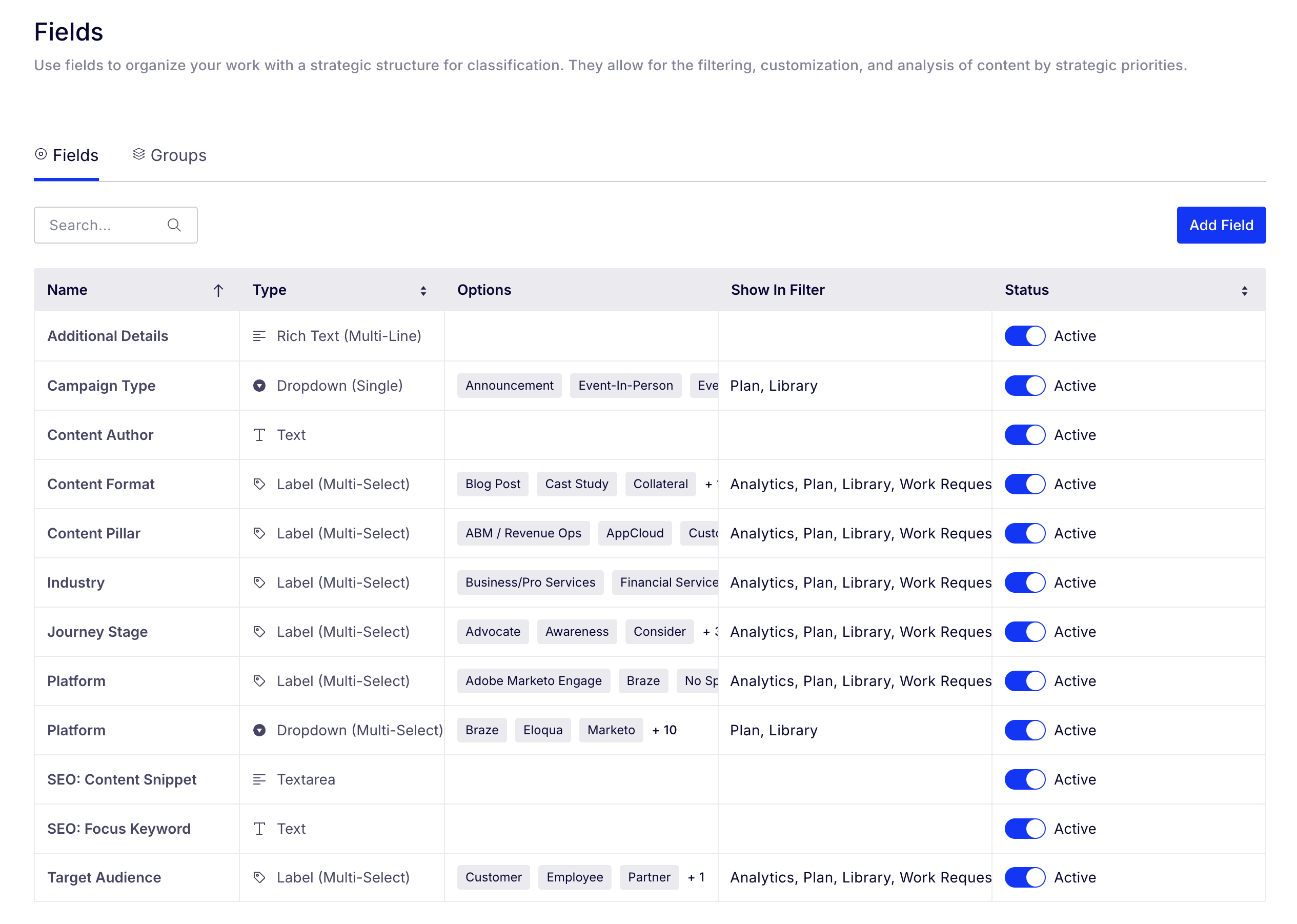
Labels, on the other hand, are flexible tags that can be applied to content to categorize it in a more free-flowing and descriptive manner. For instance, a blog post about “The Future of AI” might be labeled with “Artificial Intelligence,” “Technology,” “Innovation,” and “Future Trends.” This combination of fields and labels provides a multifaceted approach to content categorization, enabling marketers to easily find and utilize relevant content across their organization.
Building a robust taxonomy within Optimizely CMP requires careful planning and consideration. Begin by conducting a thorough analysis of your existing content, identifying key themes, topics, and audience segments. This will help you determine the core categories and subcategories that will form the foundation of your taxonomy.
Next, consider the specific needs and information-seeking behaviors of your target audience. What terms and phrases do they use to describe your products and services? How do they typically search for information? By understanding your audience’s perspective, you can create a taxonomy that is intuitive and easy for them to navigate.
Involve key stakeholders from across your organization in the taxonomy development process. This ensures that the taxonomy reflects the needs and perspectives of all relevant teams, including marketing, sales, customer service, and product development. Collaboratively brainstorm and refine the taxonomy structure, ensuring that it is comprehensive, flexible, and adaptable to future needs.
As you are building your taxonomy, you’ll want to define content categories, keywords, and metadata fields. Create a hierarchical structure of categories and subcategories to organize your content. Identify relevant keywords for each piece of content and use them consistently throughout your content and taxonomy. Determine the metadata fields that will be used to describe and define your content and the tags (labels) needed to properly categorize them.
Finally, regularly review and refine your taxonomy to ensure that it remains relevant and effective. As your content strategy evolves and your business grows, you may need to add new categories, adjust existing ones, or introduce new fields and labels. By continuously evaluating and refining your taxonomy, you can ensure that your content remains well-organized, easily discoverable, and readily accessible to your audience.
Preparing for Your Implementation
Now that you’ve thoroughly audited, refined, and documented your key campaign requirements, workflow processes, and taxonomy structure, you’re ready to move into implementation. With all of this preparation complete, everyone involved has a shared understanding of the goals, objectives, and expectations for the platform. This shared understanding minimizes confusion and miscommunication, leading to a smoother and more efficient implementation. Plus, documented processes and requirements serve as a valuable roadmap throughout the implementation process. They provide a clear framework for decision-making, help identify potential challenges, and ensure that the implementation stays on track and delivers the desired outcomes.
Furthermore, documented processes and requirements facilitate ongoing maintenance and improvement. They serve as a reference point for future updates, upgrades, and modifications. By regularly reviewing and updating these documents, organizations can ensure that their use of Optimizely CMP remains aligned with their evolving business needs and objectives. Thorough documentation lays the foundation for a successful and sustainable Optimizely CMP implementation.
Need some help implementing? Confused about where to start? Need help getting your taxonomies and workflows documented? Give the experts a call. Relationship One is here to help.

Share This
About the Author: Melissa Santos