
Open any industry article today and you’ll read about the importance of personalization. We all know it’s important because our customers expect it. In fact, 89% of marketing decision-makers consider personalization essential for their business’s success over the next three years. On the flip side, over two-thirds (63%) of digital marketing executives struggle with providing tailored customer experiences. How do we actually “do” it effectively? That’s where things get interesting. Juggling data silos, different marketing channels, and creating experiences that truly resonate with individuals can feel quite formidable.
That’s where Optimizely Data Platform (ODP) comes into play. Think of it as your central hub for understanding your customers and delivering personalized experiences they crave, across all the places they interact with your brand. In this post, we’ll break down how you can actually use the Optimizely Data Platform to make personalization a reality, not just a buzzword. We’ll cover everything from the core features to practical examples, so you can start seeing results.
What Exactly Is ODP?
Before we dive into the “how,” we want to make sure we’re clear about what Optimizely ODP actually “is”. In simple terms, it’s a customer data platform (CDP) built to help marketers:
- Centralize Customer Data – ODP allows you to bring together data from all your different sources including website behavior, email interactions, purchase history, CRM data, and more into a single, unified view of each customer.
- Understand Your Audience – It facilitates audience segmentation based on a wide range of attributes and behaviors, allowing you to identify specific groups with shared interests and needs.
- Orchestrate Personalized Experiences – You can then use those insights to create and deliver personalized messages and experiences across different channels, such as email, website, ads, and even in-app interactions.
- Measure and Optimize – Finally, you can track the performance of your personalization efforts and continuously refine your strategies to improve results.
Think of ODP as the brain that powers your personalized marketing efforts. It’s not just about collecting data; it’s about turning that data into actionable insights and using those insights to create better experiences for your customers.
Key Features That Make Personalization Possible
The Optimizely Data Platform has more features than the space of this post will allow, but one of the most important ones for marketers focused on personalization is the ability to create Unified Customer Profiles. ODP creates a single, comprehensive profile for each customer by stitching together data from all your different sources. That means no more fragmented views or manually cobbling together data from multiple sources! You can see everything a customer has done, from their first website visit to their most recent purchase.
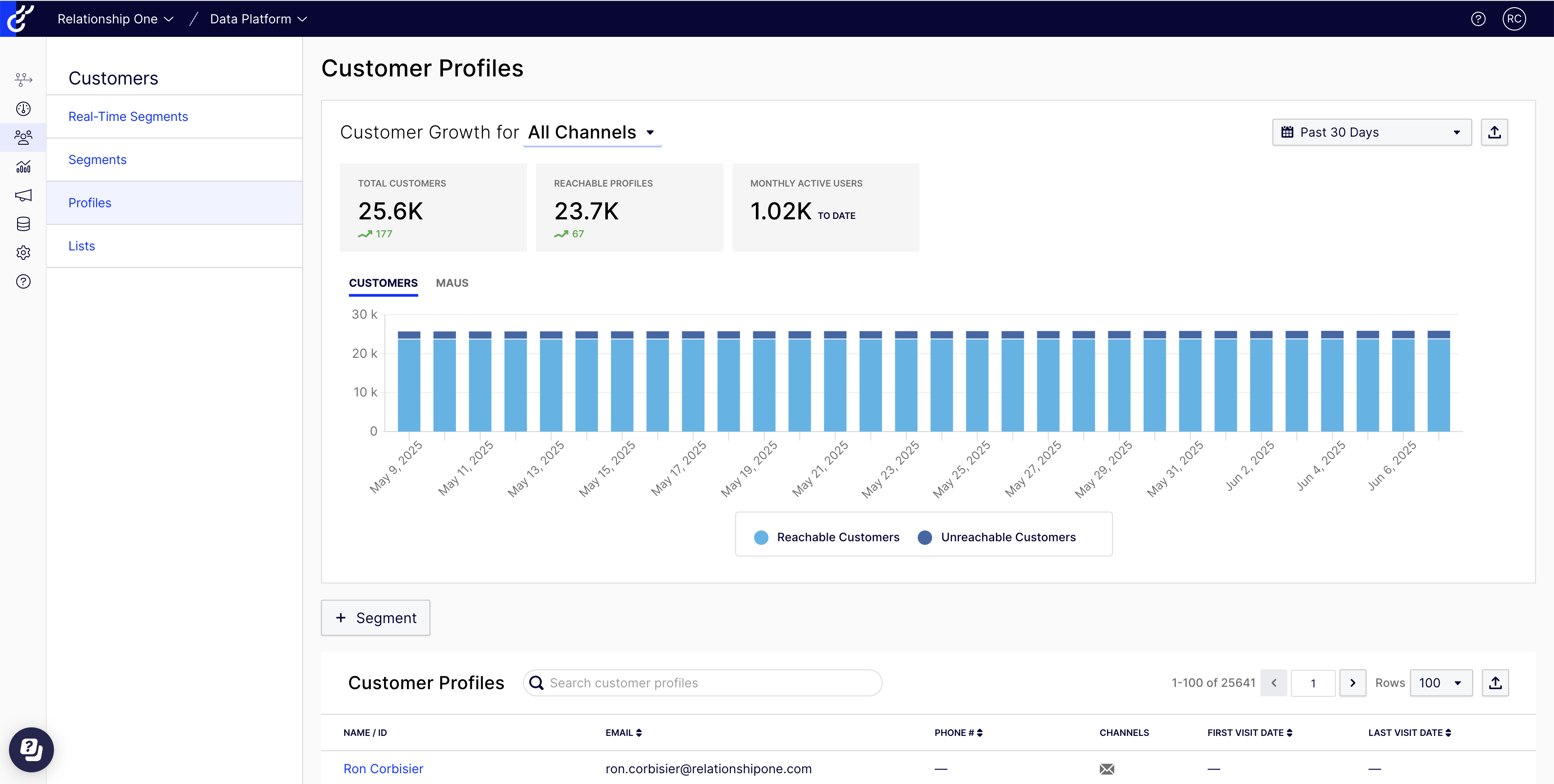
From the unified customer profile, ODP allows you to segment your audience. Segmentation features allow you to group your customers based on shared characteristics such as demographics, behavior, purchase history, interests, and pretty much anything else you dream up. The more granular your segments, the more personalized your messaging can be.
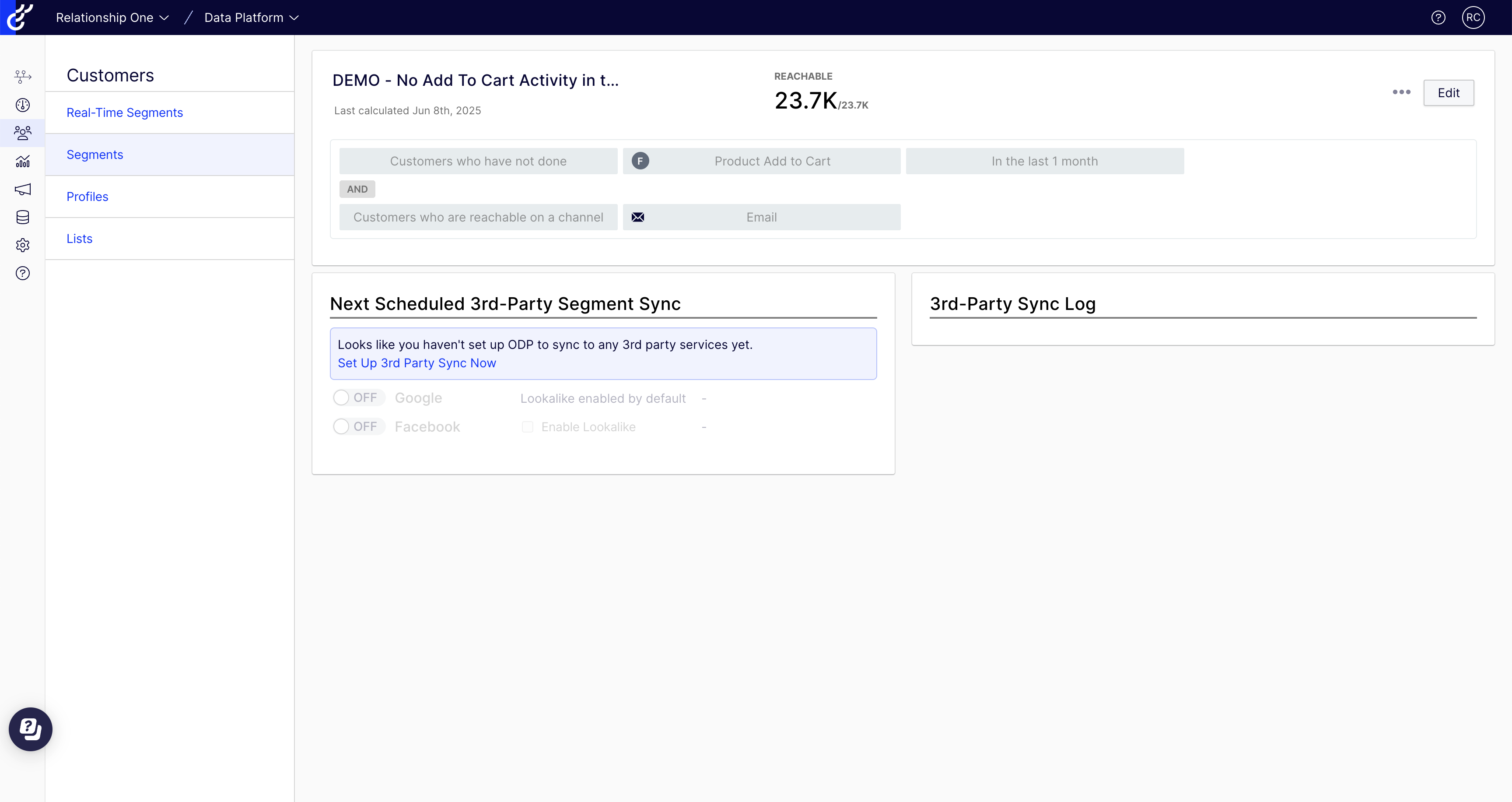
ODP also captures data in real-time, so you can react to customer behavior as it happens. This is crucial for delivering timely and relevant experiences. Imagine a customer abandoning a shopping cart. Within minutes, you can trigger an automated email with a special offer to encourage that customer to return and complete their purchase.
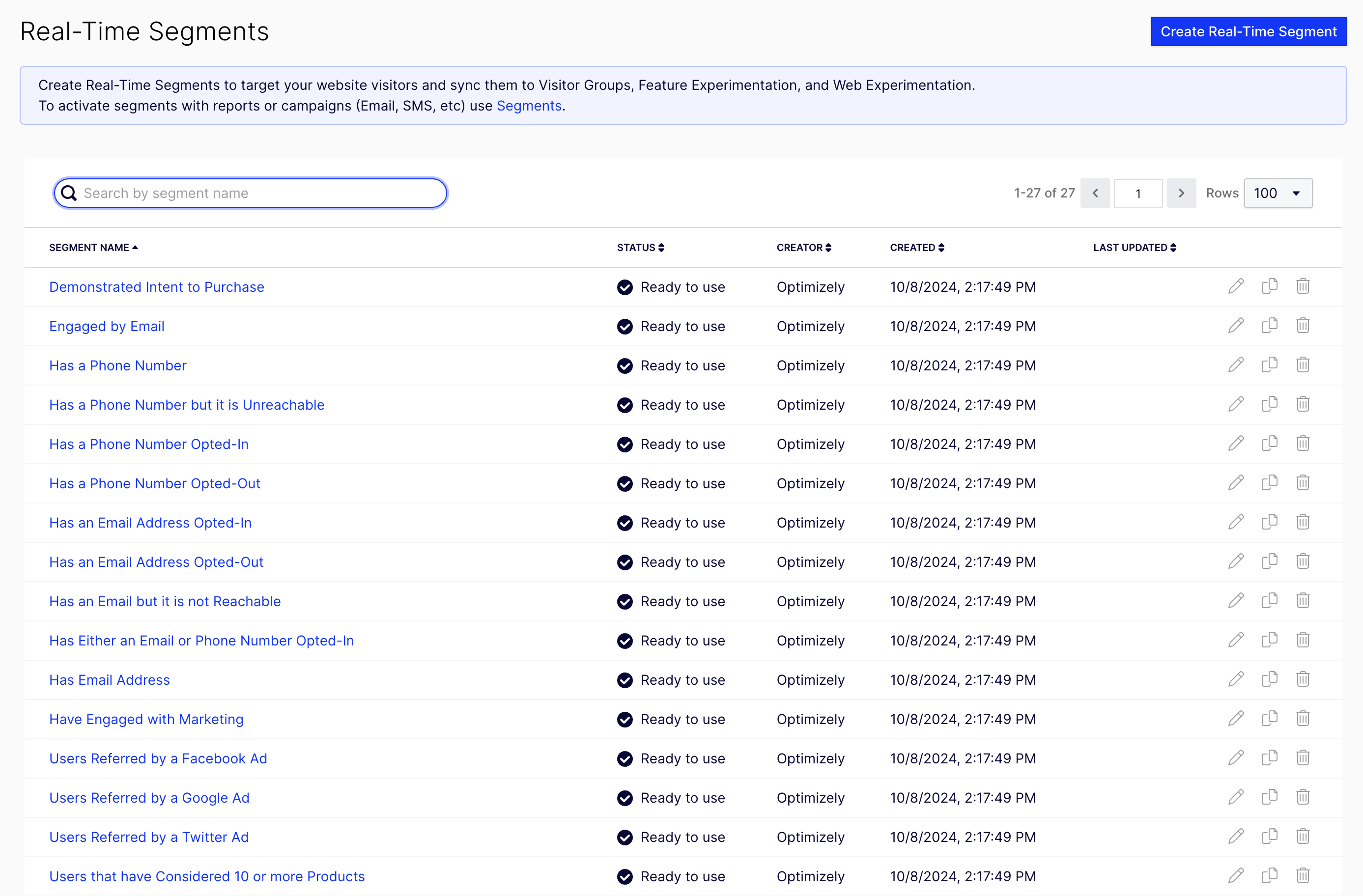
All this magic happens in the Personalization Engine. ODP’s back-end workflows and capabilities allow you to create and deliver personalized content and experiences based on customer segments and individual behavior. You can personalize website content, email messages, ad campaigns, and more. And as we all know, personalization isn’t a “set it and forget it” thing. You need to continuously test and optimize your strategies to improve results. ODP makes it easy to A/B test different personalization approaches and track their performance.
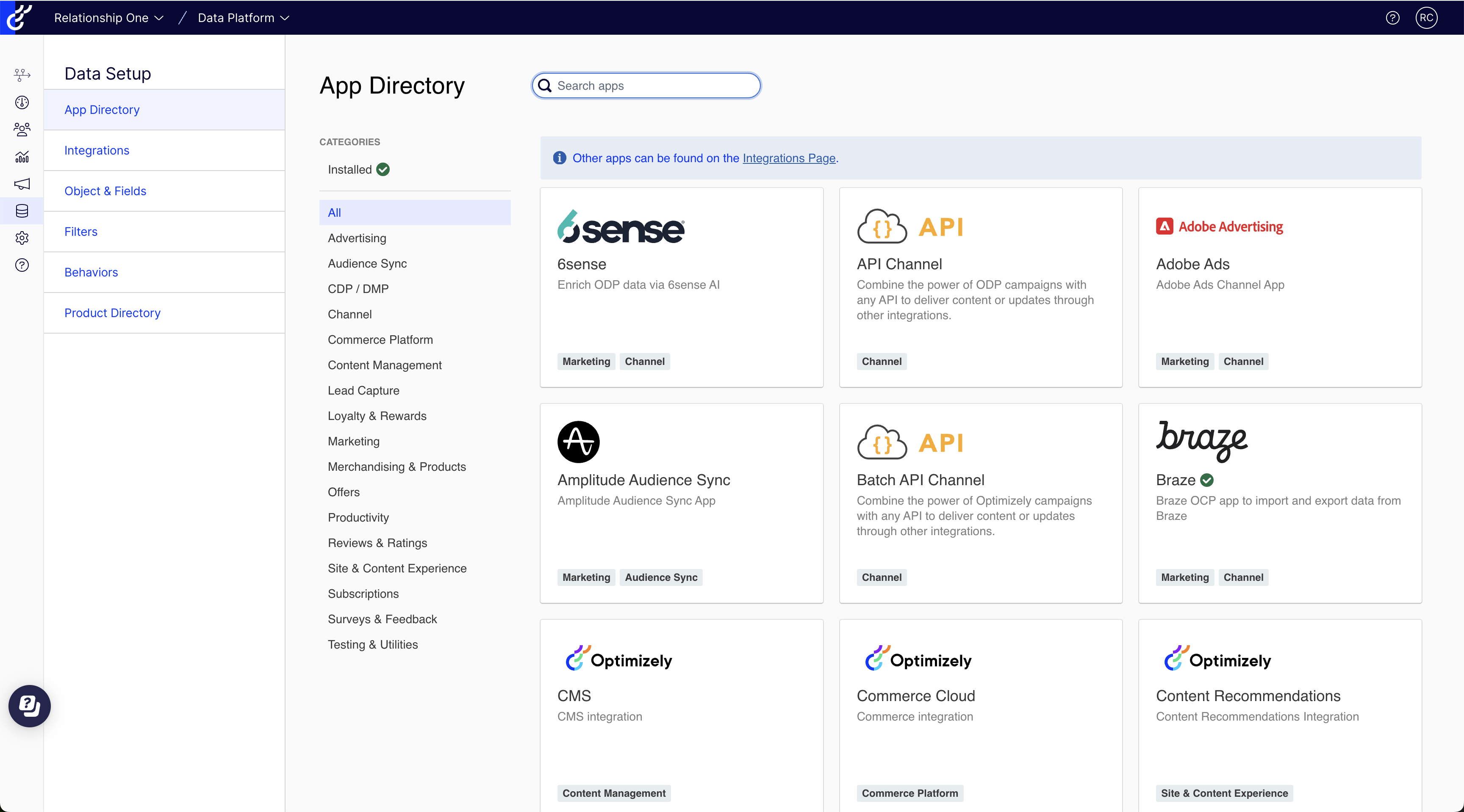
Lastly, ODP integrates with a wide range of marketing tools, including email marketing platforms, CRM systems, advertising platforms, and more. This allows you to seamlessly incorporate personalization into your existing marketing workflows. Using ODP, marketers can design and automate personalized customer journeys across multiple touchpoints, guiding them through tailored experiences based on their behavior and preferences.
How Marketers Can Use Optimizely ODP: Practical Examples
We’ve talked about ODP theoretically up to this point. But how do you use Optimizely DP to create personalized marketing experiences in the “real world?” One common scenario is that you have a visitor who lands on your website for the first time. ODP can track their referral source (e.g., Google, social media) and personalize the homepage content in real time to match their interests. For example, if they came from a Google search for “trendy purses,” you could highlight your purses and accessories collection as the hero image on your main page.
For another website scenario, let’s say you have a returning customer has previously purchased hiking gear. ODP recognizes them and displays content related to hiking, such as new hiking trails, gear recommendations, or upcoming hiking events.
ODP can also help with channels such as email and social ads A typical marketing scenario is that you have a customer who has been inactive for a while. ODP can bubble up this customer so that you can send a re-engagement email with personalized product recommendations based on their past purchases and browsing history. Additionally, ODP can help streamline and personalize your advertising efforts. If you want to target a group of customers who may be interested in a specific product you offer, ODP can create a custom audience based on their engagement behavior with your website and their purchase history. From there, you can target this custom audience with ads on platforms like Google and Facebook. Conversely, if you want to suppress ads to customers who have already purchased a product, ODP can exclude those customers from the ad campaign so that you aren’t wasting precious ad spend on those customers who have already converted.
If you have a mobile app, ODP can help you personalize in-app experiences. For new users to your mobile App, ODP can trigger a personalized onboarding journey that guides the new user through key features and benefits. This can ensure user “stickiness” to keep them coming back to the app. ODP can also provide contextual help and support when it recognizes that the user’s in-app behavior indicates a struggle with a certain feature.
There are so many personalization scenarios where ODP can help. Those listed above are just a few to help you get the creative juices flowing. From post-purchase emails and rewarding customers with loyalty programs to custom tailoring content to match a reader’s interest, ODP has the the data and the power to create uniquely personalized paths for every one of your customers and prospects. Additionally, ODP can be integrated into your other customer touchpoint technologies to deliver a unified view of each customer’s interactions, purchases, and preferences. Just think of the possibilities!
Getting Started with Optimizely ODP: A Step-by-Step Approach
If you are sold on the idea of personalization, what’s next? Here’s a suggested approach to getting started with the Optimizely Data Platform:
- Define Your Goals: Take the time to determine what you want to achieve with personalization. Be very specific — Do you want to increase conversion rates? Improve customer retention? Drive more revenue? Having clearly defined goals will help you focus your efforts and measure your success.
- Identify Your Data Sources: Map out where your customer data is currently stored and identify all the systems that contain relevant data. Those systems should include your website, email marketing platform, CRM, and e-commerce platform, at a minimum.
- Plan Your Integrations: Planning up front will save you headaches down the road. Take the time to determine how you will connect your data sources to ODP and work with your IT team to plan the necessary integrations. Optimizely DP has pre-built integrations with many popular marketing tools, but you may need to develop custom integrations for some systems.
- Define Your Segments: Start by identifying your key customer segments. These can be broad segments based on demographics, behavior, or purchase history. As you learn more and gather more data with ODP, you can refine your segments for even greater personalization.
- Create Your First Personalization Campaigns: Focus in on a few key use cases that will provide your biggest return on investment. Maybe it’s personalization of the homepage of your website, or setting up a series of abandoned cart emails. Get the quick wins and then expand from there.
- Test and Optimize: Make sure you have a method in place to track the performance of your personalization campaigns regularly so that you can make adjustments as needed. Your new best friend is going to be the A/B testing so you can understand what leads to better engagement and conversion rates.
- Scale Your Efforts: Once you are seeing regular success with your initial campaigns, start expanding your personalization efforts to other channels and use cases. The sky’s the limit!
Tips for Success
There are a few tips when working with a platform like Optimizely Data Platform. Because there is so much power, so much data, and so many choices, it’s easy to get overwhelmed and try to do everything at once. Our advice to you is to:
- Start Small: You will drive yourself crazy if you try to personalize everything at once. And, you won’t know what is actually working. Focus on a few key areas where you can make the biggest impact.
- Focus on Value: Personalizing just because you can won’t provide you the results you desire. Make sure your personalization efforts are actually providing value to your customers.
- Be Sure to Respect Privacy: Give your customers the control over their privacy preferences. If they say ‘no, thank you,’ respect it. It is important to be completely transparent about how you’re using customer data to maintain trust in your business reputation.
- Continuously Learn: Personalization is not a once and done process. With every test and iteration, you learn something new that you can apply the next time. Additionally, keep abreast of industry trends and best practices. They evolve quickly as well.
- Data Quality is Key: Nothing erodes trust quicker that proving to your customer that you don’t know who they are by sending them information they aren’t interested in receiving. Ensure your data is accurate and up-to-date.
- Collaboration is Crucial: Personalization requires collaboration between marketing, sales, and IT. Make sure everyone is on the same page and aligned toward the same vision.
The Future of Personalization
Today, customers already expect personalized experiences with your brand, and it is only going to become more important in the future. According to DemandSage, 71% of consumers prefer personalized shopping experiences, and 76% of consumers prefer to buy from brands that personalize their user experiences. With these growing expectations, customers are demanding more relevant interactions, and companies that can deliver those experiences will have a significant competitive advantage.
Optimizely DP is just the tool to help you meet your customer demands and create truly personalized marketing experiences that drive results. ODP offers a robust platform for marketers to centralize customer data, understand their audience, and orchestrate personalized experiences across various channels. By leveraging its key features combined with a strategic approach, marketers can unlock the full potential of personalization, improve customer engagement, increase conversion rates, and enhance brand loyalty.
Ready to hear more? Or need help getting started? Relationship One is here to help!
Share This
About the Author: Emily Eubanks